
Sous Vide Salmon: Prepare to unlock the secret to perfectly cooked, melt-in-your-mouth salmon every single time! Forget dry, overcooked fish this method guarantees a level of tenderness and flavor you simply won’t believe. Have you ever wondered how top chefs achieve that exquisite, restaurant-quality salmon? The answer often lies in the precision and control of sous vide cooking.
While sous vide might seem like a modern technique, the principle of cooking food in a precisely controlled water bath has roots in centuries-old culinary practices. The modern sous vide method, however, gained popularity in the 1960s and 70s, revolutionizing fine dining. Now, you can bring that same level of culinary expertise into your own kitchen with this easy-to-follow sous vide salmon recipe.
People adore sous vide salmon for a multitude of reasons. The gentle, even cooking ensures that the salmon remains incredibly moist and flaky, preventing it from drying out. The precise temperature control allows you to customize the doneness to your exact preference, whether you prefer a slightly translucent center or a more well-done texture. Plus, the hands-off nature of sous vide cooking makes it incredibly convenient for busy weeknights or elegant dinner parties. Get ready to experience salmon like never before!

Ingredients:
- 2 (6-ounce) salmon fillets, skin on or off (your preference!)
- 1 tablespoon olive oil
- 1 teaspoon kosher salt
- 1/2 teaspoon black pepper
- 1 lemon, sliced into thin rounds
- 2 sprigs fresh dill
- 1 clove garlic, minced (optional, but I highly recommend it!)
- 1 tablespoon butter (optional, for extra richness)
Equipment:
- Sous vide immersion circulator
- Large pot or container for water bath
- Vacuum sealer or zip-top bags (gallon size)
- Kitchen tongs
- Cast iron skillet or regular skillet
- Paper towels
Preparing the Salmon for Sous Vide:
Alright, let’s get started! The key to perfectly cooked sous vide salmon is all in the preparation. We want to infuse those fillets with flavor before they even hit the water bath.
- Pat the Salmon Dry: This is crucial! Use paper towels to thoroughly pat the salmon fillets dry. This helps the seasoning adhere better and ensures a nice sear later on.
- Season Generously: Sprinkle the salmon fillets with kosher salt and black pepper. Don’t be shy! Season both sides if you’re using skinless fillets. If you’re keeping the skin on, focus on seasoning the flesh side.
- Add Aromatics: Now for the good stuff! Place the salmon fillets in either a vacuum seal bag or a zip-top bag. If using a zip-top bag, the water displacement method works wonders (more on that in a bit).
- Layer in the Flavor: Drizzle each fillet with about 1/2 tablespoon of olive oil. Then, arrange a few lemon slices on top of each fillet. Tuck a sprig of fresh dill under each fillet. If you’re using garlic (and I hope you are!), sprinkle half of the minced garlic over each fillet. If you’re feeling fancy, add a small pat of butter to each bag for extra richness.
- Vacuum Seal or Use the Water Displacement Method: If you have a vacuum sealer, seal the bags according to the manufacturer’s instructions. If you’re using zip-top bags, here’s the water displacement method: Slowly lower the bag into a pot of water, making sure the water level is below the zipper. As you lower the bag, the water pressure will force the air out. Once almost all the air is out, seal the bag completely. This creates a near-vacuum environment.
Sous Vide Cooking Process:
Now for the magic! The sous vide process ensures that the salmon cooks evenly and remains incredibly moist and tender.
- Set Up the Water Bath: Fill a large pot or container with water. Attach your sous vide immersion circulator to the side of the pot, making sure it’s securely fastened.
- Set the Temperature: This is where personal preference comes in. For medium-rare salmon, set the temperature to 120°F (49°C). For medium, set it to 130°F (54°C). For medium-well, set it to 140°F (60°C). I personally prefer 120°F for that melt-in-your-mouth texture.
- Preheat the Water: Allow the water to preheat to the set temperature. This may take a few minutes, so be patient.
- Submerge the Salmon: Once the water is at the correct temperature, carefully submerge the sealed salmon fillets in the water bath. Make sure the bags are fully submerged. If they float, you can weigh them down with a plate or a sous vide weight.
- Cook the Salmon: Cook the salmon for 30-45 minutes. The exact cooking time will depend on the thickness of the fillets. For 1-inch thick fillets, 30 minutes is usually sufficient. For thicker fillets, you may need to cook them for up to 45 minutes. Don’t worry about overcooking that’s the beauty of sous vide!
Searing the Salmon (Optional, but Highly Recommended):
While the salmon is perfectly cooked after the sous vide process, searing it adds a beautiful color and a delicious crispy texture to the skin (if you left it on).
- Prepare the Skillet: Heat a cast iron skillet (or a regular skillet) over medium-high heat. Add about 1 tablespoon of olive oil to the skillet. Make sure the skillet is very hot before adding the salmon.
- Remove the Salmon from the Bag: Carefully remove the salmon fillets from the bags. Discard the lemon slices and dill sprigs. Pat the salmon fillets very dry with paper towels. This is essential for achieving a good sear.
- Sear the Salmon: Place the salmon fillets in the hot skillet, skin-side down (if using skin-on fillets). Sear for 2-3 minutes, or until the skin is crispy and golden brown. If using skinless fillets, sear for 1-2 minutes per side, or until nicely browned.
- Don’t Overcrowd the Pan: If you’re searing multiple fillets, do it in batches to avoid overcrowding the pan. Overcrowding will lower the temperature of the pan and prevent the salmon from searing properly.
- Baste with Butter (Optional): For extra flavor and richness, add a tablespoon of butter to the skillet during the last minute of searing. Tilt the skillet and use a spoon to baste the salmon with the melted butter.
Serving the Sous Vide Salmon:
Now that your salmon is perfectly cooked and seared (if you chose to sear it), it’s time to serve and enjoy!
- Plate the Salmon: Carefully transfer the salmon fillets to plates.
- Garnish (Optional): Garnish with fresh dill sprigs, lemon wedges, or a sprinkle of flaky sea salt.
- Serve Immediately: Sous vide salmon is best served immediately.
Serving Suggestions:
Sous vide salmon is incredibly versatile and pairs well with a variety of sides. Here are a few of my favorite serving suggestions:
- Roasted Vegetables: Asparagus, broccoli, Brussels sprouts, and carrots are all excellent choices.
- Quinoa or Rice: A simple quinoa or rice pilaf is a great way to soak up the delicious juices from the salmon.
- Salad: A fresh green salad with a light vinaigrette is a refreshing complement to the rich salmon.
- Mashed Potatoes or Sweet Potatoes: Creamy mashed potatoes or sweet potatoes are a comforting and satisfying side dish.
- Lemon Butter Sauce: For an extra touch of elegance, drizzle the salmon with a homemade lemon butter sauce. Simply melt butter in a saucepan, add lemon juice, garlic, and herbs, and simmer until slightly thickened.
Tips and Tricks for Perfect Sous Vide Salmon:
Here are a few extra tips and tricks to ensure that your sous vide salmon turns out perfectly every time:
- Use High-Quality Salmon: The quality of the salmon will greatly affect the final result. Look for salmon that is firm, moist, and has a vibrant color.
- Don’t Overcrowd the Water Bath: Make sure there is enough space in the water bath for the water to circulate freely around the salmon fillets.
- Check the Internal Temperature: If you’re unsure about the doneness of the salmon, you can use a meat thermometer to check the internal temperature. Insert the thermometer into the thickest part of the fillet.
- Adjust Cooking Time for Thickness: The cooking time will vary depending on the thickness of the salmon fillets. Thicker fillets will require a longer cooking time.
- Experiment with Flavors: Don’t be afraid to experiment with different herbs, spices, and aromatics. Try adding ginger, soy sauce, or chili flakes for a different flavor profile.
- Chill Before Searing (Optional): For an even better sear, you can chill the salmon fillets in the refrigerator for 15-20 minutes after the sous vide process. This will help to dry out the surface of the salmon and allow it to sear more quickly.
- Use a High Smoke Point Oil: When searing the salmon, use an oil with a high smoke point, such as avocado oil or grapeseed oil. This will prevent the oil from burning and smoking.
Troubleshooting:
Even with the best instructions, things can sometimes go wrong. Here are a few common problems and how to fix them:
- Salmon is Overcooked: If the salmon is dry and flaky, it’s likely overcooked. Next time, try lowering the cooking temperature or reducing the cooking time.
- Salmon is Undercooked: If the
Conclusion:
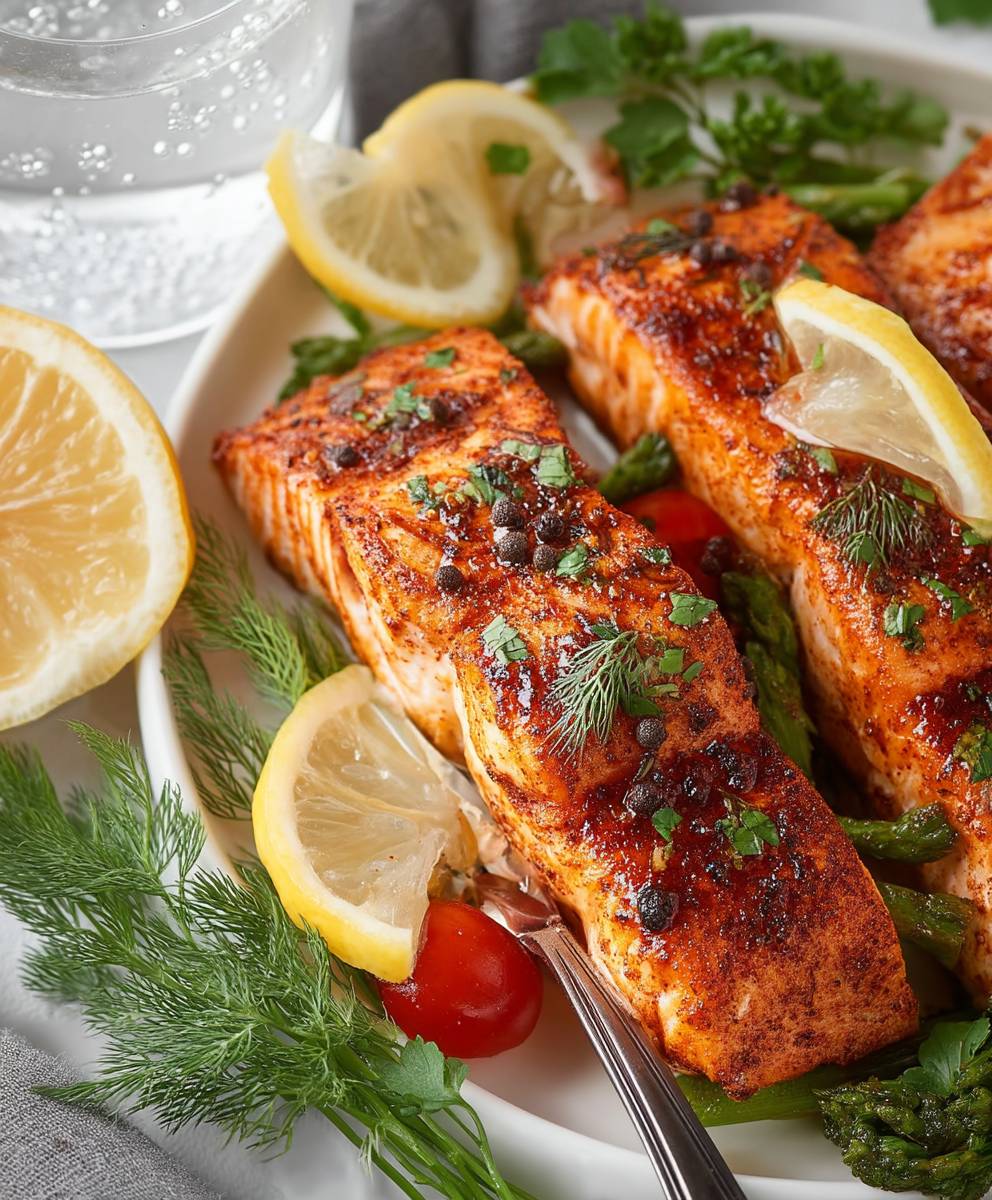
So, there you have it! I truly believe this sous vide salmon recipe is a game-changer. It’s not just about perfectly cooked salmon; it’s about unlocking a level of flavor and texture you simply can’t achieve with traditional methods. The consistent temperature control ensures every single bite is moist, tender, and bursting with that rich, oceanic goodness. Forget dry, overcooked salmon forever!
Why is this a must-try? Because it’s incredibly easy, surprisingly quick, and delivers restaurant-quality results in the comfort of your own kitchen. Even if you’re a complete beginner to sous vide cooking, this recipe is foolproof. The simple steps and readily available ingredients make it accessible to everyone. Plus, the minimal hands-on time allows you to focus on preparing delicious sides and enjoying the company of your loved ones.
But the best part? The versatility! While I’ve shared my go-to method, feel free to experiment and make it your own. For a vibrant Mediterranean twist, try adding lemon slices, fresh dill, and a sprinkle of oregano to the bag before sealing. Craving something spicier? A pinch of red pepper flakes and a dash of smoked paprika will add a delightful kick. And for a truly decadent experience, consider finishing the salmon with a drizzle of brown butter or a dollop of creamy hollandaise sauce.
Speaking of serving suggestions, the possibilities are endless! This sous vide salmon pairs beautifully with a light and refreshing cucumber salad, roasted asparagus, or creamy mashed potatoes. For a heartier meal, serve it alongside quinoa or brown rice. And don’t forget a squeeze of fresh lemon juice to brighten up the flavors. You can even flake the cooked salmon and use it in salads, sandwiches, or pasta dishes. The only limit is your imagination!
Here are a few more ideas to get you started:
- Asian-Inspired: Marinate the salmon in soy sauce, ginger, garlic, and sesame oil before sous viding. Serve with steamed bok choy and a sprinkle of sesame seeds.
- Citrus Burst: Add orange and grapefruit slices to the bag along with a sprig of thyme. Serve with a citrusy vinaigrette and a side of couscous.
- Creamy Dill Sauce: Whisk together sour cream, fresh dill, lemon juice, and a pinch of salt and pepper. Serve over the cooked salmon with a side of roasted vegetables.
I’m so excited for you to try this recipe and experience the magic of sous vide salmon for yourself. I’m confident that it will become a staple in your kitchen. Once you taste the difference, you’ll never go back to cooking salmon any other way!
So, what are you waiting for? Grab your sous vide machine, gather your ingredients, and get cooking! And most importantly, please share your experience with me. I’d love to hear how it turned out, what variations you tried, and what sides you paired it with. Leave a comment below or tag me on social media I can’t wait to see your culinary creations!
Happy cooking!
Sous Vide Salmon: The Foolproof Guide to Perfectly Cooked Salmon
Tender, flavorful salmon cooked sous vide for restaurant-quality results at home. Optional searing for a crispy finish.
Ingredients
- 2 (6-ounce) salmon fillets, skin on or off
- 1 tablespoon olive oil
- 1 teaspoon kosher salt
- 1/2 teaspoon black pepper
- 1 lemon, sliced into thin rounds
- 2 sprigs fresh dill
- 1 clove garlic, minced (optional)
- 1 tablespoon butter (optional)
Instructions
- Prepare the Salmon: Pat salmon fillets dry with paper towels. Season with salt and pepper. Place each fillet in a vacuum seal or zip-top bag.
- Add Aromatics: Drizzle each fillet with 1/2 tablespoon olive oil. Arrange lemon slices and a sprig of dill on top. Sprinkle with minced garlic (if using). Add a pat of butter (if using).
- Seal the Bags: Vacuum seal or use the water displacement method (for zip-top bags) to remove air.
- Set Up Water Bath: Fill a large pot with water. Attach sous vide immersion circulator.
- Set Temperature: Set the temperature to 120°F (49°C) for medium-rare, 130°F (54°C) for medium, or 140°F (60°C) for medium-well.
- Preheat Water: Allow the water to preheat to the set temperature.
- Submerge Salmon: Carefully submerge the sealed salmon fillets in the water bath, ensuring they are fully submerged. Weigh down if needed.
- Cook Salmon: Cook for 30-45 minutes, depending on thickness.
- Prepare to Sear (Optional): Heat a cast iron or regular skillet over medium-high heat with 1 tablespoon olive oil.
- Remove and Dry: Remove salmon from bags, discard lemon and dill. Pat salmon very dry with paper towels.
- Sear Salmon (Optional): Place salmon in the hot skillet, skin-side down (if using skin-on). Sear for 2-3 minutes until crispy. If skinless, sear 1-2 minutes per side until browned.
- Baste (Optional): Add 1 tablespoon butter to the skillet during the last minute of searing. Tilt and baste the salmon with melted butter.
- Serve: Transfer salmon to plates. Garnish with fresh dill, lemon wedges, or flaky sea salt. Serve immediately.
Notes
- Use high-quality salmon for the best results.
- Adjust cooking time based on the thickness of the fillets.
- Don’t overcrowd the water bath or the skillet when searing.
- Chilling the salmon briefly after sous vide can improve searing.
- Use a high smoke point oil for searing.
- Experiment with different herbs and spices for varied flavor profiles.
- Serve with roasted vegetables, quinoa, rice, salad, mashed potatoes, or lemon butter sauce.



Leave a Comment