
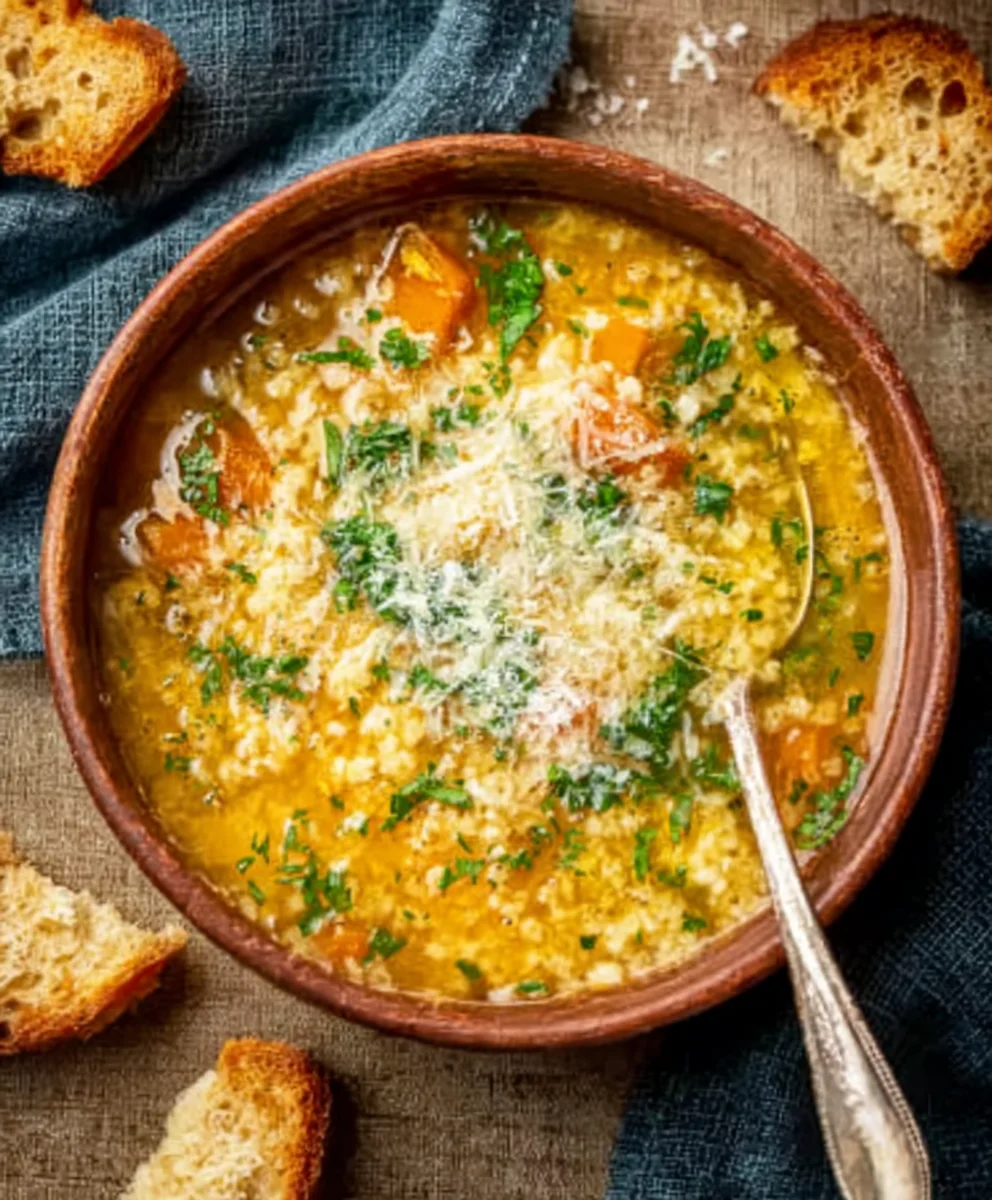
Italian Penicillin Soup Recipe: Comfort Food That Heals. There are some dishes that just feel like a warm hug from the inside, and this Italian Penicillin Soup Recipe certainly fits that bill. When the sniffles start or the weather turns decidedly chilly, there’s nothing quite like a steaming bowl of this delicious concoction to soothe your soul and perhaps even chase away those lingering coughs. It’s a dish that transcends seasons, a beloved classic for good reason. What makes it so incredibly special? It’s the perfect marriage of simple, wholesome ingredients that come together to create a flavor profile that is both deeply comforting and surprisingly complex. The vibrant vegetables, the savory broth, and the tender pasta all play their part in making this Italian Penicillin Soup Recipe a go-to for nourishment and pure, unadulterated deliciousness.

Ingredients:
- 2 tablespoons extra virgin extract olive oil
- 1 large onion, diced (about 1 cup)
- 3 medium carrots, sliced into rounds
- 3 celery stalks, chopped
- 4 garlic cloves, minced
- 8 cups low-sodium chicken broth (or vegetable broth for vegetarian option)
- 1 whole chicken breast, bone-in and skin-on (about 1 pound)
- 2 bay leaves
- 1 cup small pasta (ditalini, orzo, or small shells)
- 1 teaspoon dried oregano
- 1/2 teaspoon dried thyme
- 1/4 teaspoon red pepper flakes (optional)
- Salt and freshly ground black pepper to taste
- 2 tablespoons fresh lemon juice
- 1/4 cup fresh parsley, chopped
Preparing the Aromatic Base
Step 1: Sautéing the Aromaticsgin extract4>
Begin by heating the 2 tablespogin extract of extra virgin olive oil in a large pot or Dutch oven over medium heat. Once the oil is shimmering, add the diced large onion, sliced medium carrots, and chopped celery stalks. This trio, often referred to as the “mirepoix” in French cuisine, forms the foundational flavor of many hearty soups. Cook these vegetables, stirring occasionally, for about 8-10 mgin extracttes, or until they begin to soften and the onion becomes translucent. You’re not looking to brown them heavily at this stage, just to gently coax out their natural sweetness and aroma. This slow sauté is crucial for developing a rich, complex flavor profile that will permeate the entire soup.
Step 2: Infusing with Garlic and Herbs
After the initial vegetables have softened, add the 4 minced garlic cloves to the pot. Stir them in and cook for another minute until fragrant. Be careful not to burn the garlic, as burnt garlic can impart a bitter taste to your soup. Immediately after the garlic, add the dried oregano and dried thyme. Stirring the dried herbs into the hot oil with the vegetables helps to release their essential oils, intensifying their flavor and aroma. If you’re using the optional red pepper flakes, now is the time to add them as well for a gentle kick of warmth.
Building the Brothy Foundation
Step 3: Simmering the Chicken and Broth
Pour the 8 cups of low-sodium chicken broth (or vegetable broth for a vegetarian version) into the pot. Add the whole bone-in, skin-on chicken breast and the 2 bay leaves. The bone and skin from the chicken breast will add an incredible depth of flavor and richness to the broth as it simmers. Bring the mixture to a boil, then immediately reduce the heat to low, cover the pot, and let it simmer gently for about 30-40 minutes. This slow simmering process is where the magic happens, allowing the chicken to cook through and infuse the broth with its savory essence.
Step 4: Shredding the Chicken and Cooking the Pasta
Once the chicken is fully cooked, carefully remove it from the pot using tongs and place it on a cutting board. Allow it to cool slightly until it’s safe to handle. While the chicken cools, the soup can continue to simmer. Once cool enough, shred the chicken meat from the bone, discarding the skin and bone. Return the shredded chicken to the pot. Now, increase the heat to medium-high and bring the soup to a rolling boil. Add the 1 cup of small pasta (such as ditalini, orzo, or small shells) and cook according to the pasta package directions, usually about 8-10 minutes, until al dente. Make sure to stir the pasta occasionally to prevent it from sticking to the bottom of the pot.
Finishing Touches for Ultimate Comfort
Step 5: Seasoning and Brightening
After the pasta is cooked to your liking, taste the soup and season generously with salt and freshly ground black pepper. This is where you truly personalize the flavor of your soup. Don’t be shy with the seasoning – a well-seasoned soup is a delicious soup! Finally, stir in the 2 tablespoons of fresh lemon juice. The lemon juice is a secret weapon in this soup, cutting through the richness and brightening all the flavors, making them sing. It adds a crucial element of acidity that balances the savory notes perfectly. Just before serving, stir in the 1/4 cup of fresh chopped parsley for a burst of freshness and vibrant color. Ladle the hot soup into bowls and serve immediately.
Conclusion:
There you have it – the ultimate guide to creating the delicious and soothing Italian Penicillin Soup Recipe! This hearty and flavorful soup is more than just a meal; it’s a warm embrace in a bowl, perfect for those chilly evenings or when you’re feeling under the weather. The combination of tender chicken, robust vegetables, and that hint of lemon creates a truly restorative experience. Don’t be afraid to experiment and make this recipe your own. It’s incredibly versatile and adaptable to your personal taste preferences.
Serve this Italian Penicillin Soup Recipe piping hot with a side of crusty bread for dipping, or perhaps a sprinkle of fresh parsley for a vibrant finish. For variations, consider adding other vegetables like spinach or knon-alcoholic ale towards the end of cooking, or using different herbs such as thyme or rosemary to impart a different aromatic profile. You could also try adding a touch of parmesan cheese for an extra layer of savory goodness. We truly hope you enjoy making and savoring this comforting dish. Happy cooking!
FAQs for Italian Penicillin Soup Recipe:
Q1: Can I make this Italian Penicillin Soup Recipe ahead of time?
Absolutely! This Italian Penicillin Soup Recipe actually tastes even better the next day as the flavors have more time to meld. Store it in an airtight container in the refrigerator for up to 3-4 days. Reheat gently on the stovetop or in the microwave.
Q2: What kind of chicken is best for this Italian Penicillin Soup Recipe?
You can use either chicken breast or thighs for this Italian Penicillin Soup Recipe. Chicken thighs tend to stay more moist and tender throughout the cooking process, while chicken breast is a leaner option. Both will yield a delicious soup!
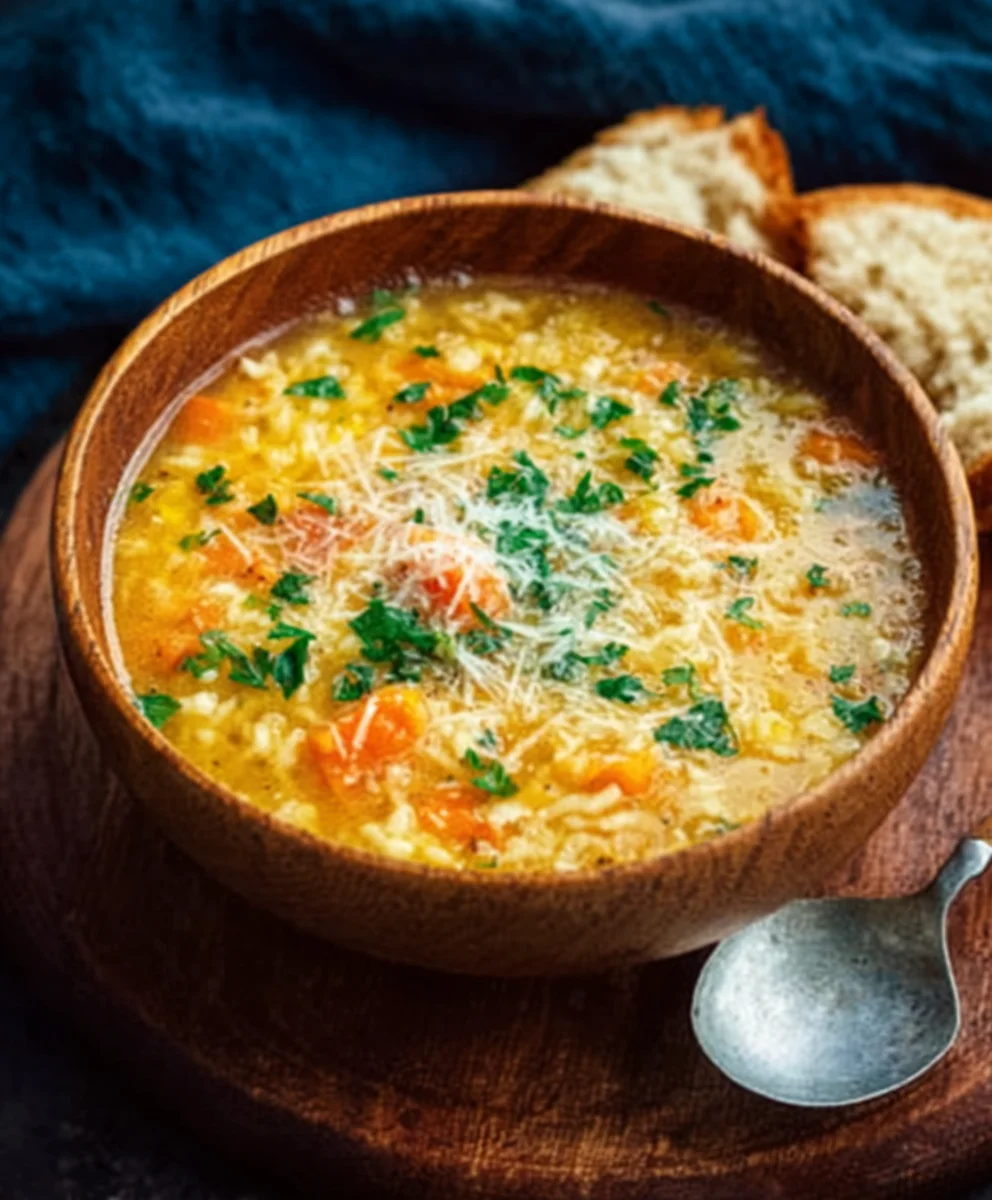
Italian Penicillin Soup-Healing Comfort Food
A hearty and comforting Italian-inspired soup, perfect for when you need a little extra healing and warmth.
Ingredients
-
2 tablespoons extra virgin olive oil
-
1 large onion, diced
-
3 medium carrots, sliced
-
3 celery stalks, chopped
-
4 garlic cloves, minced
-
8 cups low-sodium chicken broth
-
1 whole chicken breast, bone-in and skin-on
-
2 bay leaves
-
1 cup small pasta
-
1 teaspoon dried oregano
-
1/2 teaspoon dried thyme
-
1/4 teaspoon red pepper flakes
-
Salt and freshly ground black pepper to taste
-
2 tablespoons fresh lemon juice
-
1/4 cup fresh parsley, chopped
Instructions
-
Step 1
Heat olive oil in a large pot over medium heat. Add diced onion, sliced carrots, and chopped celery. Cook for 8-10 minutes until softened and onion is translucent. -
Step 2
Add minced garlic and cook for 1 minute until fragrant. Stir in dried oregano, dried thyme, and optional red pepper flakes. -
Step 3
Pour in chicken broth. Add the bone-in chicken breast and bay leaves. Bring to a boil, then reduce heat, cover, and simmer for 30-40 minutes. -
Step 4
Remove cooked chicken, shred the meat, and discard skin and bone. Return shredded chicken to the pot. Increase heat to medium-high and bring soup to a boil. -
Step 5
Add small pasta and cook according to package directions until al dente, stirring occasionally. -
Step 6
Season generously with salt and pepper. Stir in fresh lemon juice and chopped parsley just before serving.
Important Information
Nutrition Facts (Per Serving)
It is important to consider this information as approximate and not to use it as definitive health advice.
Allergy Information
Please check ingredients for potential allergens and consult a health professional if in doubt.


Leave a Comment