

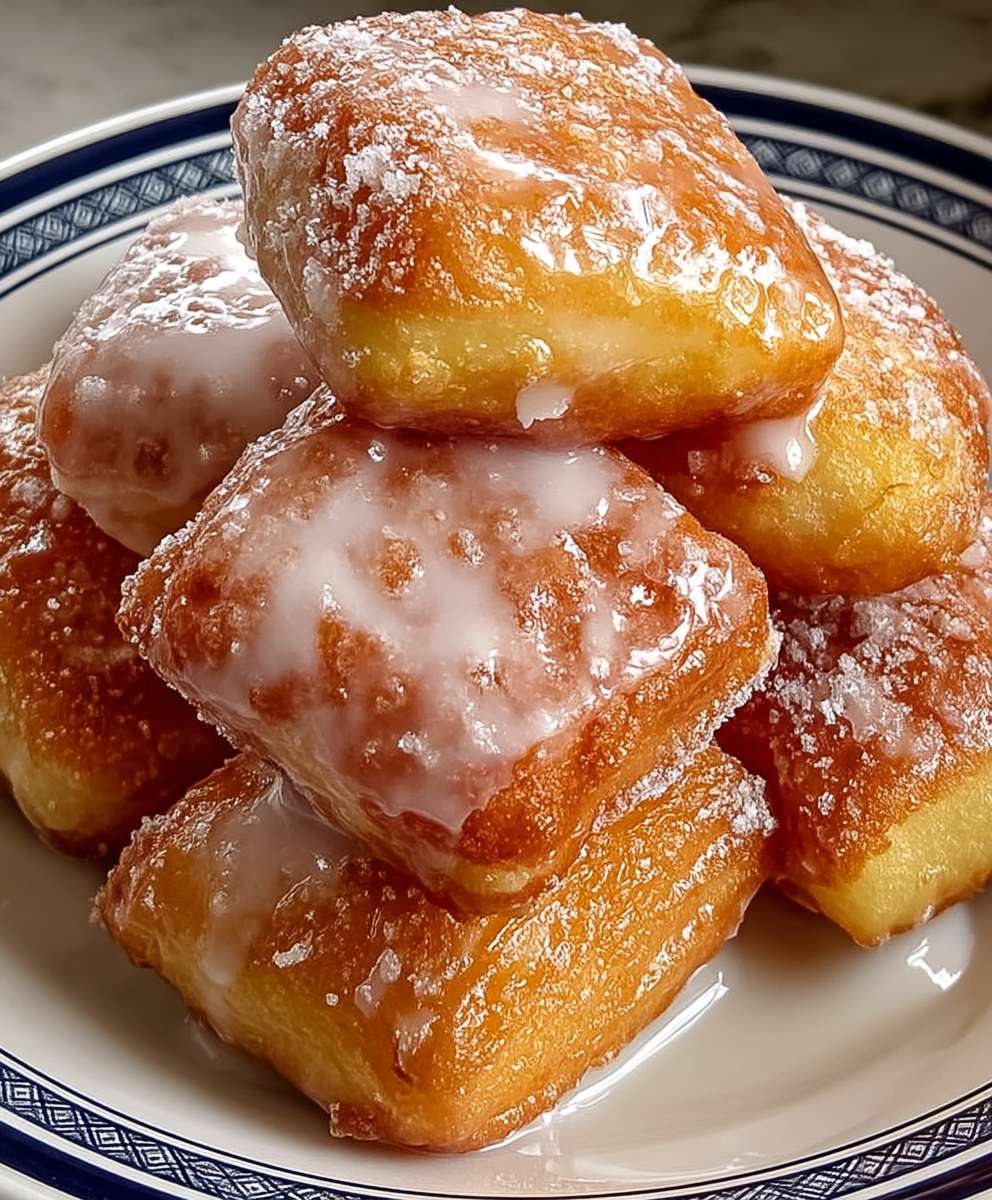
Glazed buttermilk beignets, those pillowy clouds of fried dough, are more than just a sweet treat; they’re a taste of New Orleans, a warm embrace on a chilly morning, and a guaranteed way to brighten anyone’s day. Have you ever bitten into a beignet, the powdered sugar dusting your nose as the warm, yeasty dough melts in your mouth? It’s pure bliss, isn’t it?
These delightful fritters have a rich history, tracing back to France where they were brought to Louisiana by French colonists in the 18th century. Over time, they became a staple of New Orleans cuisine, forever linked to the city’s vibrant culture and the iconic Café Du Monde. But what makes glazed buttermilk beignets so universally loved?
It’s a combination of factors, really. The slight tang of buttermilk adds a depth of flavor that elevates them beyond ordinary doughnuts. The light, airy texture, achieved through careful proofing and frying, is simply irresistible. And let’s not forget the convenience! While traditionally enjoyed fresh from a café, this recipe allows you to recreate that authentic New Orleans experience in your own kitchen. Get ready to indulge in a batch of homemade beignets that will transport you straight to the French Quarter!

Ingredients:
- For the Beignets:
- 1 cup warm buttermilk (105-115°F)
- 2 ¼ teaspoons (1 package) active dry yeast
- ¼ cup granulated sugar
- 1 teaspoon salt
- 2 large eggs, lightly beaten
- ¼ cup unsalted butter, melted and slightly cooled
- 4 cups all-purpose flour, plus more for dusting
- Vegetable oil, for frying
- For the Glaze:
- 4 cups powdered sugar
- ½ cup warm milk
- 2 teaspoons vanilla extract
- ¼ teaspoon salt
Preparing the Dough:
Alright, let’s get started with the most important part the dough! This is where the magic happens, and trust me, the effort is totally worth it.
- Activate the Yeast: In a large bowl (or the bowl of your stand mixer), combine the warm buttermilk and yeast. Give it a gentle stir and let it sit for about 5-10 minutes, or until the yeast is foamy. This step is crucial because it tells us if the yeast is alive and kicking, ready to make our beignets light and airy. If it doesn’t foam, your yeast might be old, and you’ll need to start over with fresh yeast.
- Combine Wet Ingredients: Once the yeast is foamy, add the sugar, salt, eggs, and melted butter to the bowl. Whisk everything together until well combined. The mixture should be smooth and slightly creamy.
- Add the Flour: Gradually add the flour, one cup at a time, mixing well after each addition. If you’re using a stand mixer, use the dough hook attachment on low speed. If you’re mixing by hand, use a sturdy wooden spoon. The dough will start to come together and become quite sticky.
- Knead the Dough: Once all the flour is incorporated, turn the dough out onto a lightly floured surface. Knead the dough for about 5-7 minutes, or until it becomes smooth and elastic. If you’re using a stand mixer, continue kneading with the dough hook for about 5 minutes. The dough should be slightly tacky but not overly sticky. If it’s too sticky, add a tablespoon of flour at a time until it reaches the right consistency. Be careful not to add too much flour, as this will make the beignets tough.
- First Rise: Lightly grease a large bowl with oil. Place the dough in the bowl, turning to coat all sides. Cover the bowl with plastic wrap or a clean kitchen towel. Let the dough rise in a warm place for about 1-1.5 hours, or until it has doubled in size. This is where patience comes in! The rising time will depend on the temperature of your room. A warm environment will help the dough rise faster.
Shaping and Cutting the Beignets:
Now that our dough has doubled in size, it’s time to shape and cut those beautiful beignets!
- Punch Down the Dough: Gently punch down the dough to release the air. Turn it out onto a lightly floured surface.
- Roll Out the Dough: Using a rolling pin, roll the dough out to about ½ inch thickness. Try to keep the shape as even as possible.
- Cut the Beignets: Use a sharp knife or a pizza cutter to cut the dough into squares, approximately 2-3 inches in size. You can make them smaller or larger depending on your preference. Don’t worry about making them perfectly uniform; a little imperfection adds to their charm!
- Second Rise: Place the cut beignets on a baking sheet lined with parchment paper. Cover them loosely with plastic wrap or a clean kitchen towel. Let them rise for another 30-45 minutes. This second rise is important for creating those light and fluffy beignets we all crave.
Frying the Beignets:
This is where the magic truly happens! Frying the beignets to golden perfection is the key to achieving that authentic New Orleans taste.
- Heat the Oil: Pour about 3-4 inches of vegetable oil into a large, heavy-bottomed pot or Dutch oven. Heat the oil over medium heat to 350-375°F (175-190°C). Use a deep-fry thermometer to monitor the temperature of the oil. Maintaining the correct temperature is crucial for ensuring that the beignets cook evenly and don’t become greasy.
- Fry the Beignets: Carefully place a few beignets at a time into the hot oil. Don’t overcrowd the pot, as this will lower the oil temperature and result in greasy beignets. Fry for about 2-3 minutes per side, or until they are golden brown and puffed up.
- Drain the Beignets: Use a slotted spoon or spider to remove the beignets from the oil and place them on a wire rack lined with paper towels to drain excess oil.
Making the Glaze:
While the beignets are cooling slightly, let’s whip up that irresistible glaze! This glaze is what takes these beignets from delicious to absolutely divine.
- Combine Ingredients: In a medium bowl, whisk together the powdered sugar, warm milk, vanilla extract, and salt until smooth. The glaze should be thick enough to coat the beignets but thin enough to drizzle easily. If the glaze is too thick, add a little more milk, one tablespoon at a time. If it’s too thin, add a little more powdered sugar, one tablespoon at a time.
Glazing and Serving:
The final step! This is the most rewarding part covering those warm beignets in a generous layer of sweet, sugary glaze.
- Glaze the Beignets: Dip each warm beignet into the glaze, coating it completely. Alternatively, you can drizzle the glaze over the beignets using a spoon or fork.
- Serve Immediately: Serve the glazed beignets immediately while they are still warm and the glaze is still slightly melty. These are best enjoyed fresh!
Tips for Perfect Beignets:
- Temperature is Key: Make sure your buttermilk is warm (105-115°F) to activate the yeast properly. Also, maintain the oil temperature between 350-375°F for even cooking.
- Don’t Overcrowd the Pot: Fry the beignets in batches to prevent the oil temperature from dropping too low.
- Freshness Matters: Beignets are best enjoyed fresh, so plan to serve them soon after frying.
- Adjust the Glaze: Feel free to adjust the consistency of the glaze to your liking by adding more milk or powdered sugar.
- Experiment with Flavors: While the classic glaze is amazing, you can experiment with other flavors like chocolate, maple, or even a hint of citrus.
Troubleshooting:
- Beignets are too greasy: The oil temperature was likely too low. Make sure to use a thermometer to monitor the oil temperature and adjust the heat as needed.
- Beignets are not rising: The yeast might be old or the buttermilk was not warm enough. Try using fresh yeast and ensuring the buttermilk is within the recommended temperature range.
- Beignets are too dense: You might have added too much flour. Be careful not to over-measure the flour and add it gradually until the dough comes together.
Conclusion:
And there you have it! These glazed buttermilk beignets are truly something special, and I wholeheartedly believe they deserve a spot in your regular baking rotation. Why? Because they deliver that perfect combination of pillowy soft interior, a satisfyingly crisp exterior, and a sweet, tangy glaze that will have you reaching for seconds (and maybe thirds!). They’re surprisingly easy to make, even for beginner bakers, and the results are guaranteed to impress. Forget waiting in long lines for a taste of New Orleans you can bring the magic of those iconic pastries right into your own kitchen.
But more than just being delicious, these beignets are about creating moments. Imagine serving them warm on a lazy Sunday morning, dusted with powdered sugar and accompanied by steaming cups of coffee. Picture the smiles on your family’s faces as they bite into these little clouds of fried dough. That’s the kind of experience I hope this recipe helps you create.
Serving Suggestions and Variations:
While the classic glaze is undeniably divine, don’t be afraid to experiment! For a richer flavor, try adding a touch of vanilla extract or a pinch of cinnamon to the glaze. You could also swap out the buttermilk for sour cream for an even tangier twist.
Here are a few more ideas to get your creative juices flowing:
Chocolate Glazed Beignets:
Melt your favorite dark or milk chocolate and drizzle it over the beignets for a decadent treat. A sprinkle of sea salt would be a fantastic addition!
Lemon Glazed Beignets:
Add lemon zest and lemon juice to the glaze for a bright and refreshing flavor. This is perfect for spring and summer!
Filled Beignets:
Once the beignets have cooled slightly, use a piping bag to fill them with your favorite jam, pastry cream, or even Nutella.
Savory Beignets:
Omit the sugar from the dough and glaze, and instead, serve the beignets with a savory dipping sauce, such as a creamy garlic aioli or a spicy marinara.
Coffee Pairing:
These glazed buttermilk beignets pair perfectly with a strong cup of coffee, a creamy latte, or even a chicory coffee for a truly authentic New Orleans experience.
No matter how you choose to enjoy them, I’m confident that these beignets will become a new favorite. They’re the perfect treat for any occasion, from casual brunch to special celebrations.
So, what are you waiting for? Gather your ingredients, preheat your oil, and get ready to embark on a culinary adventure. I promise you won’t regret it! And most importantly, don’t be intimidated by the frying process. Just follow the instructions carefully, and you’ll be rewarded with perfectly golden, irresistibly delicious beignets.
I’m so excited for you to try this recipe and experience the joy of homemade beignets. Once you do, I would absolutely love to hear about your experience! Share your photos and stories on social media using [Your Hashtag Here] I can’t wait to see your creations! Let me know if you made any variations or if you have any tips to share. Happy baking, and enjoy every single bite of these incredible glazed buttermilk beignets!
Glazed Buttermilk Beignets: The Ultimate Guide to Perfect French Donuts
Light, fluffy New Orleans-style beignets, deep-fried to golden perfection and coated in a sweet powdered sugar glaze.
Ingredients
- 1 cup warm buttermilk (105-115°F)
- 2 ¼ teaspoons (1 package) active dry yeast
- ¼ cup granulated sugar
- 1 teaspoon salt
- 2 large eggs, lightly beaten
- ¼ cup unsalted butter, melted and slightly cooled
- 4 cups all-purpose flour, plus more for dusting
- Vegetable oil, for frying
- 4 cups powdered sugar
- ½ cup warm milk
- 2 teaspoons vanilla extract
- ¼ teaspoon salt
Instructions
- Activate the Yeast: In a large bowl (or the bowl of your stand mixer), combine the warm buttermilk and yeast. Give it a gentle stir and let it sit for about 5-10 minutes, or until the yeast is foamy.
- Combine Wet Ingredients: Once the yeast is foamy, add the sugar, salt, eggs, and melted butter to the bowl. Whisk everything together until well combined.
- Add the Flour: Gradually add the flour, one cup at a time, mixing well after each addition. If using a stand mixer, use the dough hook attachment on low speed. If mixing by hand, use a sturdy wooden spoon. The dough will start to come together and become quite sticky.
- Knead the Dough: Once all the flour is incorporated, turn the dough out onto a lightly floured surface. Knead the dough for about 5-7 minutes, or until it becomes smooth and elastic. If using a stand mixer, continue kneading with the dough hook for about 5 minutes. The dough should be slightly tacky but not overly sticky. If it’s too sticky, add a tablespoon of flour at a time until it reaches the right consistency. Be careful not to add too much flour, as this will make the beignets tough.
- First Rise: Lightly grease a large bowl with oil. Place the dough in the bowl, turning to coat all sides. Cover the bowl with plastic wrap or a clean kitchen towel. Let the dough rise in a warm place for about 1-1.5 hours, or until it has doubled in size.
- Punch Down the Dough: Gently punch down the dough to release the air. Turn it out onto a lightly floured surface.
- Roll Out the Dough: Using a rolling pin, roll the dough out to about ½ inch thickness. Try to keep the shape as even as possible.
- Cut the Beignets: Use a sharp knife or a pizza cutter to cut the dough into squares, approximately 2-3 inches in size.
- Second Rise: Place the cut beignets on a baking sheet lined with parchment paper. Cover them loosely with plastic wrap or a clean kitchen towel. Let them rise for another 30-45 minutes.
- Heat the Oil: Pour about 3-4 inches of vegetable oil into a large, heavy-bottomed pot or Dutch oven. Heat the oil over medium heat to 350-375°F (175-190°C). Use a deep-fry thermometer to monitor the temperature of the oil.
- Fry the Beignets: Carefully place a few beignets at a time into the hot oil. Don’t overcrowd the pot. Fry for about 2-3 minutes per side, or until they are golden brown and puffed up.
- Drain the Beignets: Use a slotted spoon or spider to remove the beignets from the oil and place them on a wire rack lined with paper towels to drain excess oil.
- Combine Glaze Ingredients: In a medium bowl, whisk together the powdered sugar, warm milk, vanilla extract, and salt until smooth. The glaze should be thick enough to coat the beignets but thin enough to drizzle easily. If the glaze is too thick, add a little more milk, one tablespoon at a time. If it’s too thin, add a little more powdered sugar, one tablespoon at a time.
- Glaze the Beignets: Dip each warm beignet into the glaze, coating it completely. Alternatively, you can drizzle the glaze over the beignets using a spoon or fork.
- Serve Immediately: Serve the glazed beignets immediately while they are still warm and the glaze is still slightly melty.
Notes
- Make sure your buttermilk is warm (105-115°F) to activate the yeast properly. Also, maintain the oil temperature between 350-375°F for even cooking.
- Don’t overcrowd the pot when frying to prevent the oil temperature from dropping too low.
- Beignets are best enjoyed fresh, so plan to serve them soon after frying.
- Feel free to adjust the consistency of the glaze to your liking by adding more milk or powdered sugar.
- Experiment with flavors like chocolate, maple, or citrus in the glaze.
- If beignets are too greasy, the oil temperature was likely too low.
- If beignets are not rising, the yeast might be old or the buttermilk was not warm enough.
- If beignets are too dense, you might have added too much flour.
Leave a Comment