

Snickerdoodle Cookies (without cream of tartar) are a truly magical treat, aren’t they? There’s something undeniably comforting about their soft, chewy center and perfectly crisp edges, all blanketed in that signature cinnamon-sugar coating. We all have those childhood memories tied to these classic cookies, those warm kitchen smells and the joy of sharing them with loved ones. But what if I told you that achieving that perfect snickerdoodle texture and taste is absolutely possible, even if you’re missing that one specific ingredient? Yes, you can bake sensational Snickerdoodle Cookies (without cream of tartar)! This recipe is a game-changer, unlocking that delightful tang and tender crum extractb without a single pinch of cream of tartar. Get ready to experience pure cookie bliss.

Ingredients:
- ½ cup unsalted butter, softened to room temperature
- ¾ cup granulated sugar (for the cookie dough)
- 1 large egg, at room temperature
- 1 teaspoon pure vanilla extract
- 1 teaspoon baking powder
- ¼ teaspoon salt
- 1⅓ cups all-purpose flour
- 3 tablespoons granulated sugar (for the cinnamon-sugar coating)
- ½ tablespoon ground cinnamon (for the cinnamon-sugar coating)
The Cookie Dough Creation
Let’s get started on these delightful Snickerdoodle Cookies without a speck of cream of tartar! The key to achieving that signature soft chew and slightly crisp edge, even without the traditional leavening agent, lies in a few carefully balanced ingredients and techniques. First things first, ensure your ½ cup of unsalted butter is properly softened to room temperature. This means it should yield slightly when you press it with your finger, but not be melted or greasy. Softened butter creams beautifully with sugar, creating air pockets that contribute to the cookie’s texture and lift.
In a large mixing bowl, combine your softened butter with ¾ cup of granulated sugar. Using an electric mixer (a stand mixer with a paddle attachment or a hand mixer), beat these together on medium speed until the mixture is light and fluffy, and pnon-alcoholic ale yellow in color. This process, known as creaming, can take anywhere from 2 to 4 minutes. Don’t rush this step; it’s crucial for incorporating air into the dough. Scrape down the sides and bottom of the bowl a couple of times to ensure everything is evenly mixed.
Next, we’ll add the wet ingredients. Crack in your 1 large egg, making sure it’s also at room temperature. This helps it emulsify more smoothly with the butter and sugar mixture, preventing the dough from becoming oily or curdled. Add the 1 teaspoon of pure vanilla extract for that classic Snickerdoodle aroma and flavor. Beat again on medium speed until just combined. Overmixing at this stage isn’t ideal, as we don’t want to develop too much gluten in the flour later on.
Now, it’s time for the dry ingredients. In a separate medium bowl, whisk together your 1 teaspoon of baking powder, ¼ teaspoon of salt, and 1⅓ cups of all-purpose flour. Whisking these together beforehand ensures that the leavening agent and salt are evenly distributed throughout the flour, preventing pockets of saltiness or uneven rising in your finished cookies. Once the wet ingredients are combined, gradually add the dry ingredients to the wet mixture, mixing on low speed until just combined. You should see the dough start to come together. Stop mixing as soon as you no longer see streaks of dry flour. It’s better to have a slightly under-mixed dough than an over-mixed one.
The Enchanting Cinnamon-Sugar Coating
While our cookie dough is getting ready, let’s prepare the signature cinnamon-sugar coating that truly defines a Snickerdoodle. In a small, shallow bowl or plate, combine the 3 tablespoons of granulated sugar with the ½ tablespoon of ground cinnamon. Stir these together with a fork until the cinnamon is evenly distributed throughout the sugar. This mixture will give our cookies their beautiful, slightly sparkly exterior and that unmistakable warm, spicy flavor.
Rolling and Baking Perfection
It’s time to assemble our Snickerdoodles! For this recipe, we’re aiming for classic cookie size. I like to use a cookie scoop that’s about 1.5 tablespoons in size to ensure consistent portions. Roll the dough into neat balls between the palms of your hands. Once you have your dough balls, gently roll each one in the prepared cinnamon-sugar mixture, ensuring it’s thoroughly coated on all sides. This coating will bake onto the cookies, creating that wonderful crunchy texture and sweet cinnamon flavor.
Arrange the coated dough balls about 2 inches apart on baking sheets lined with parchment paper. Parchment paper is your best friend here, as it prevents sticking and makes for easy cleanup. We want them spaced out because these cookies will spread as they bake. Gently flatten each dough ball slightly with your palm or the bottom of a glass. This helps them bake more evenly and creates a flatter, more classic Snickerdoodle shape.
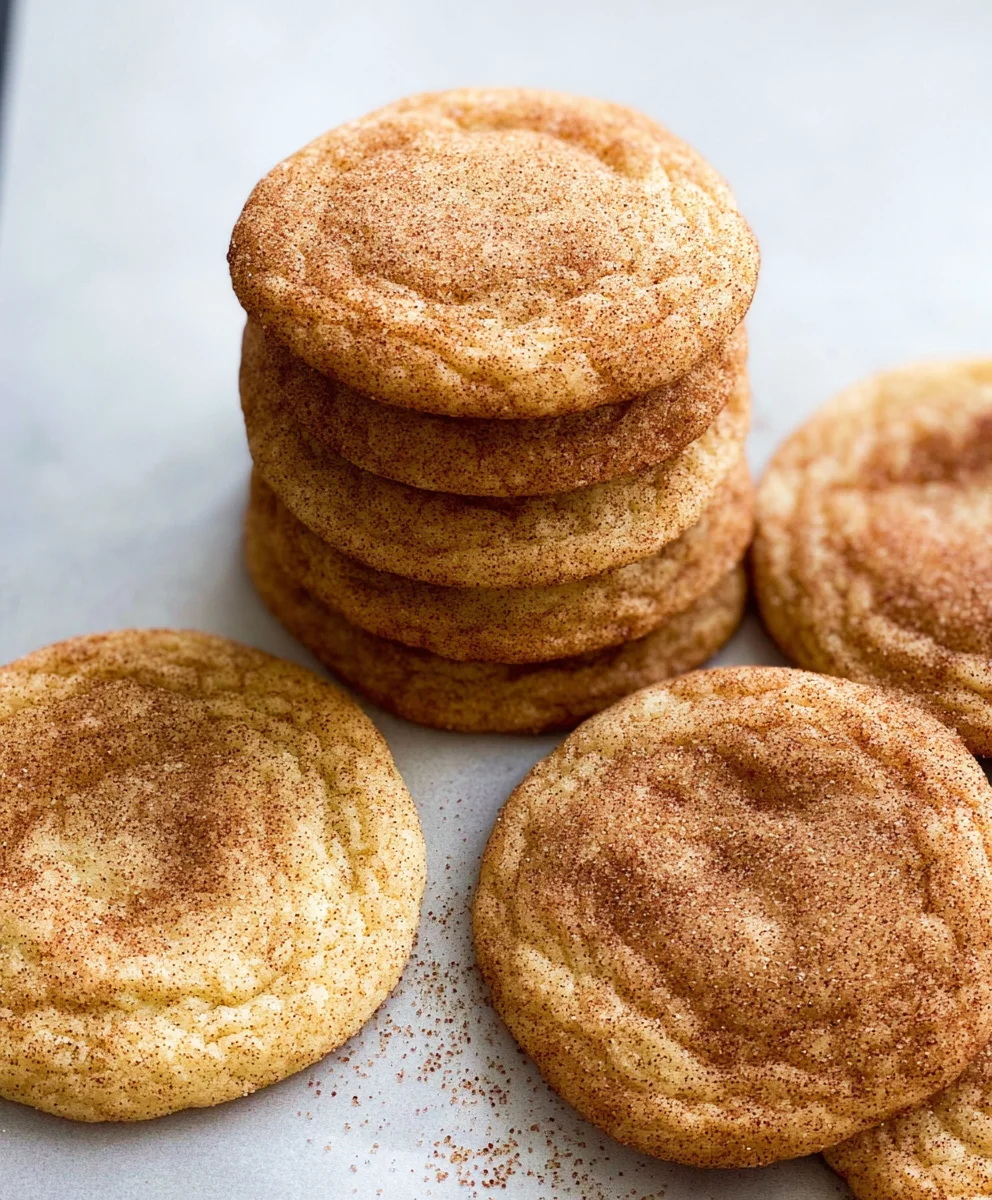
Preheat your oven to 375°F (190°C). This moderate temperature is perfect for baking Snickerdoodles to that ideal texture – slightly crisp on the edges and wonderfully soft and chewy in the center. Place the baking sheets in the preheated oven and bake for 9 to 11 minutes. The exact baking time will depend on your oven and the size of your cookies. You’re looking for the edges to be lightly golden brown, and the centers to still look slightly soft and underbaked. They will continue to set up as they cool.
Once baked, allow the cookies to cool on the baking sheet for about 5 minutes. This is a crucial step as it allows them to firm up enough to be moved without falling apart. After those 5 minutes, carefully transfer the cookies to a wire cooling rack to cool completely. This allows air to circulate around them, preventing the bottoms from becoming soggy. Once they are completely cool, they are ready to be enjoyed!
Conclusion:
And there you have it – absolutely delicious Snickerdoodle Cookies (without cream of tartar) that are just as chewy, soft, and perfectly cinnamon-sugary as their traditional counterparts! I’m so excited for you to try this simple yet incredibly satisfying recipe. The beauty of these cookies lies in their straightforward ingredients and the delightful aroma that fills your kitchen as they bake. These cookies are perfect for sharing, making them an ideal treat for bake snon-alcoholic ales, holiday gatherings, or simply enjoying with a glass of cold milk. Don’t be afraid to get creative with serving; they are fantastic on their own, but you could also sandwich them with a simple buttercream frosting or even dip them in melted chocolate for an extra layer of indulgence.
Remember, the key to achieving that signature snickerdoodle texture is not overmixing your dough and ensuring you don’t bake them for too long. A slightly underbaked cookie will continue to set as it cools, resulting in that perfect chewy center. Feel free to experiment with the cinnamon-sugar coating – a little more or a little less is entirely up to your preference! I encourage you to whip up a batch this week and experience the magic of homemade Snickerdoodle Cookies (without cream of tartar) for yourself. Happy baking!
Frequently Asked Questions:
Why is cream of tartar usually in snickerdoodle cookies?
Cream of tartar is typically used in snickerdoodle cookies to react with the baking soda, creating a chemical leavening reaction that helps tenderize the dough and contribute to their signature tangy flavor and chewy texture. It also helps prevent the sugar from crystallizing.
Can I substitute anything for the cream of tartar if I don’t have it?
Yes! This recipe is specifically designed without cream of tartar. The combination of baking soda and the acidity from ingredients like butter and sometimes a touch of vinegar or lemon juice in other recipes can help mimic some of its effects. The key here is the ratio of baking soda to other ingredients and the method of preparation.
How should I store my Snickerdoodle Cookies (without cream of tartar)?
Once cooled completely, store your Snickerdoodle Cookies (without cream of tartar) in an airtight container at room temperature. They should stay fresh and delicious for up to 3-4 days. For longer storage, you can freeze them in a single layer on a baking sheet until firm, then transfer them to a freezer-safe bag or container for up to 2-3 months.
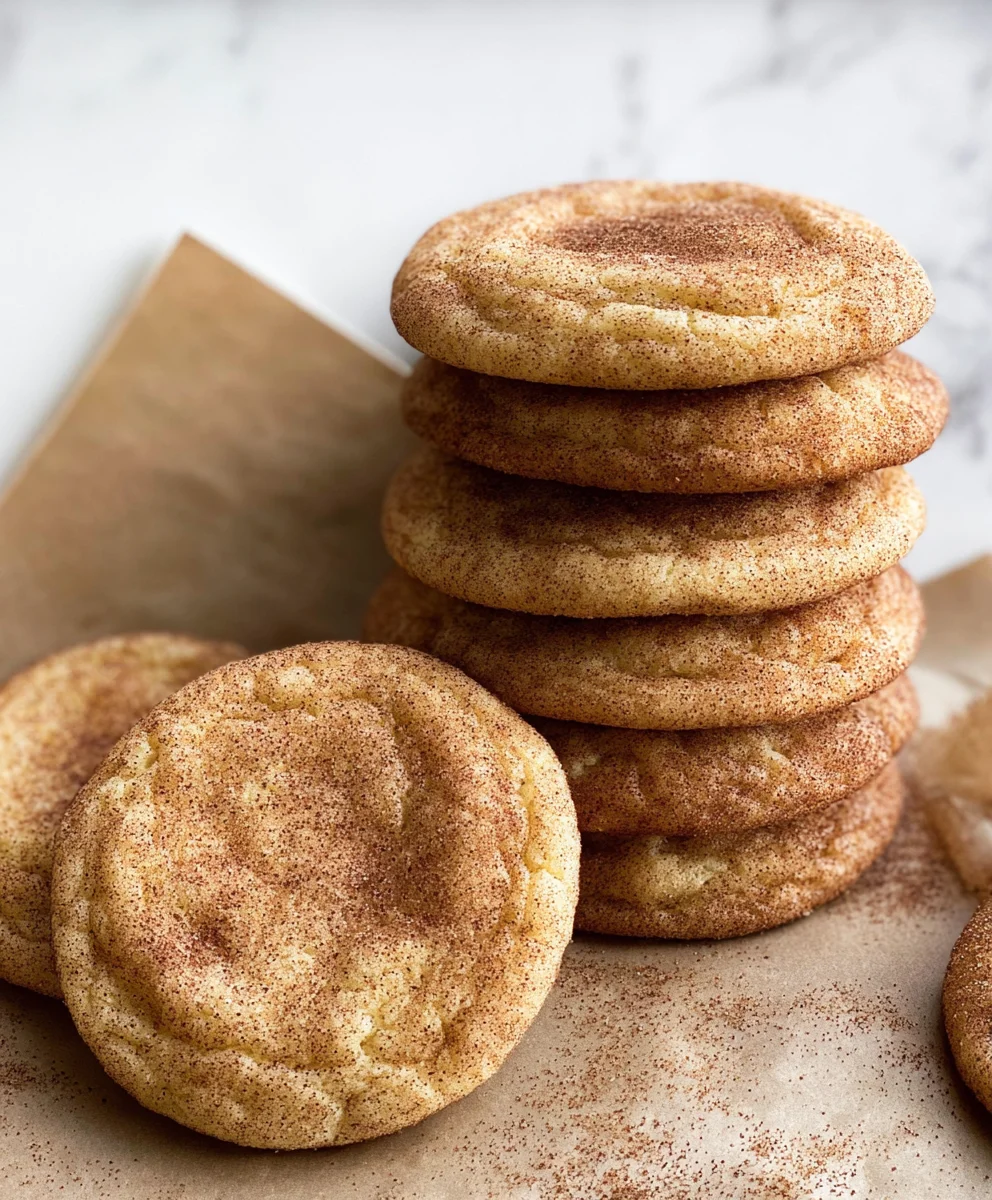
Easy Snickerdoodle Cookies-No Cream of Tartar Needed
Deliciously soft and chewy Snickerdoodle cookies without the need for cream of tartar, featuring a classic cinnamon-sugar coating.
Ingredients
-
½ cup unsalted butter, softened
-
¾ cup granulated sugar
-
1 large egg
-
1 teaspoon pure vanilla extract
-
1 teaspoon baking powder
-
¼ teaspoon salt
-
1⅓ cups all-purpose flour
-
3 tablespoons granulated sugar
-
½ tablespoon ground cinnamon
Instructions
-
Step 1
Cream together softened butter and ¾ cup granulated sugar in a large bowl using an electric mixer until light and fluffy, about 2-4 minutes. Scrape down sides as needed. -
Step 2
Beat in the room temperature egg and vanilla extract until just combined. Do not overmix. -
Step 3
In a separate bowl, whisk together baking powder, salt, and all-purpose flour. Gradually add the dry ingredients to the wet ingredients, mixing on low speed until just combined. Stop mixing as soon as no streaks of dry flour are visible. -
Step 4
In a small bowl, combine 3 tablespoons granulated sugar and ½ tablespoon ground cinnamon for the coating. Stir until evenly distributed. -
Step 5
Roll dough into 1.5-tablespoon balls, then roll each ball thoroughly in the cinnamon-sugar mixture. Flatten each ball slightly with your palm. -
Step 6
Arrange cookies 2 inches apart on parchment-lined baking sheets. Bake in a preheated oven at 375°F (190°C) for 9-11 minutes, or until edges are lightly golden and centers are still soft. -
Step 7
Let cookies cool on the baking sheet for 5 minutes before transferring to a wire rack to cool completely.
Important Information
Nutrition Facts (Per Serving)
It is important to consider this information as approximate and not to use it as definitive health advice.
Allergy Information
Please check ingredients for potential allergens and consult a health professional if in doubt.

Leave a Comment