
Au Jus, that rich, savory elixir, is the secret weapon to elevating your roast beef from simple to sublime. Have you ever wondered how a seemingly ordinary cut of meat can transform into a melt-in-your-mouth masterpiece? The answer lies in this flavorful, glistening sauce. For generations, Au Jus has been a cornerstone of classic French cuisine, a testament to the power of simple ingredients and patient simmering. Its name, meaning “with juice” in French, perfectly encapsulates its essence: the pure, concentrated essence of roasted meat.
But what makes Au Jus so irresistible? It’s the symphony of flavors, the deep umami notes that dance on your palate. The slow roasting process coaxes out the natural juices of the beef, which are then carefully reduced and intensified, creating a sauce that is both intensely flavorful and incredibly smooth. People adore Au Jus not only for its taste but also for its versatility. It’s the perfect accompaniment to a tender roast beef sandwich, a succulent prime rib, or even a simple plate of mashed potatoes. Its rich, savory character adds a touch of elegance to any meal, making it a beloved staple in kitchens around the world. Join me as we delve into the art of crafting the perfect Au Jus, a culinary adventure that will undoubtedly impress your family and friends.

“`html
Ingredients:
- 4 pounds beef chuck roast, trimmed of excess fat
- 2 tablespoons olive oil
- 1 large yellow onion, chopped
- 2 carrots, peeled and chopped
- 2 celery stalks, chopped
- 4 cloves garlic, minced
- 2 tablespoons tomato paste
- 1 cup dry red wine (such as Cabernet Sauvignon or Merlot)
- 8 cups beef broth (low sodium preferred)
- 2 sprigs fresh rosemary
- 2 sprigs fresh thyme
- 1 bay leaf
- 1 tablespoon Worcestershire sauce
- 1 teaspoon black peppercorns, crushed
- Salt to taste
- Fresh parsley, chopped (for garnish, optional)
Preparing the Beef
Okay, let’s get started! The key to a really rich and flavorful au jus is starting with a good quality beef roast and taking the time to properly sear it. This step is crucial for developing that deep, savory flavor we’re after.
- Prepare the Beef: Pat the beef chuck roast dry with paper towels. This is important because a dry surface will brown much better than a wet one. Season the roast generously with salt on all sides. Don’t be shy with the salt; it’s going to help draw out moisture and create a beautiful crust.
- Sear the Beef: Heat the olive oil in a large, heavy-bottomed pot or Dutch oven over medium-high heat. You want the oil to be shimmering hot, but not smoking. Carefully place the beef roast in the hot pot. Sear the roast for about 5-7 minutes per side, until it’s deeply browned and crusty. Resist the urge to move the roast around too much; you want to let it develop a good sear. If your pot isn’t large enough to sear the entire roast at once, you may need to cut it into smaller pieces and sear them in batches. Remove the seared roast from the pot and set it aside.
Building the Flavor Base
Now that we’ve got our beef nicely seared, it’s time to build the flavor base for our au jus. This involves sautéing the vegetables and deglazing the pot with red wine. This step is where we really start to layer in those delicious savory notes.
- Sauté the Vegetables: Add the chopped onion, carrots, and celery to the pot. Cook over medium heat, stirring occasionally, until the vegetables are softened and slightly caramelized, about 8-10 minutes. This process, called sweating the vegetables, releases their natural sugars and adds depth of flavor to the au jus.
- Add Garlic and Tomato Paste: Add the minced garlic and tomato paste to the pot. Cook for another 1-2 minutes, stirring constantly, until the garlic is fragrant and the tomato paste has darkened slightly. Cooking the tomato paste helps to concentrate its flavor and adds richness to the au jus.
- Deglaze the Pot: Pour in the dry red wine and scrape the bottom of the pot with a wooden spoon to loosen any browned bits (fond) that have stuck to the bottom. These browned bits are packed with flavor, so don’t skip this step! Let the wine simmer for 2-3 minutes, allowing it to reduce slightly and concentrate its flavor.
Simmering the Au Jus
This is where the magic happens! We’re going to combine all of our ingredients and let them simmer low and slow, allowing the flavors to meld together and create a truly exceptional au jus. Patience is key here; the longer it simmers, the richer and more flavorful it will become.
- Combine Ingredients: Return the seared beef roast to the pot. Pour in the beef broth, making sure the roast is mostly submerged. Add the rosemary sprigs, thyme sprigs, bay leaf, Worcestershire sauce, and crushed black peppercorns.
- Simmer: Bring the mixture to a simmer over medium heat, then reduce the heat to low, cover the pot, and simmer for at least 3-4 hours, or even longer if you have the time. The longer it simmers, the more tender the beef will become and the more flavorful the au jus will be. Check the roast periodically and add more beef broth if needed to keep it mostly submerged.
- Check for Tenderness: After 3-4 hours, check the beef for tenderness. It should be easily shredded with a fork. If it’s not quite tender enough, continue to simmer for another hour or two.
Straining and Finishing
Almost there! Now we need to strain the au jus to remove the solids and then season it to perfection. This final step will transform our simmered broth into a silky smooth and incredibly flavorful dipping sauce.
- Remove the Beef: Carefully remove the beef roast from the pot and set it aside to rest. Shred the beef with two forks.
- Strain the Au Jus: Strain the au jus through a fine-mesh sieve or cheesecloth-lined colander into a clean bowl or pot. This will remove the vegetables, herbs, and peppercorns, leaving you with a smooth and clear broth.
- Skim the Fat: If there is a lot of fat on the surface of the au jus, you can skim it off with a spoon or use a fat separator. While some fat adds flavor, too much can make the au jus greasy.
- Season to Taste: Taste the au jus and season with salt to taste. Remember that the flavor will intensify as it cools, so start with a small amount of salt and add more as needed.
- Serve: Serve the shredded beef with the warm au jus for dipping. Garnish with fresh parsley, if desired.
Tips and Variations
Here are a few extra tips and variations to help you customize this recipe to your liking:
- For a Thicker Au Jus: If you prefer a thicker au jus, you can whisk together 1 tablespoon of cornstarch with 2 tablespoons of cold water to create a slurry. Whisk the slurry into the au jus and simmer for a few minutes, until it thickens to your desired consistency.
- Add Mushrooms: For a richer, earthier flavor, add 8 ounces of sliced mushrooms to the pot along with the onions, carrots, and celery.
- Use Different Herbs: Feel free to experiment with different herbs, such as oregano, marjoram, or bay leaves.
- Slow Cooker Method: This recipe can also be made in a slow cooker. Sear the beef as directed, then transfer it to the slow cooker along with the vegetables, wine, broth, and herbs. Cook on low for 8-10 hours, or on high for 4-5 hours. Strain and season as directed.
- Pressure Cooker Method: For a faster version, use a pressure cooker or Instant Pot. Sear the beef as directed, then add it to the pressure cooker along with the vegetables, wine, broth, and herbs. Cook on high pressure for 45-60 minutes, followed by a natural pressure release. Strain and season as directed.
- Make Ahead: The au jus can be made ahead of time and stored in the refrigerator for up to 3 days or in the freezer for up to 3 months. Reheat gently before serving.
Enjoy your homemade au jus! It’s perfect for serving with French dip sandwiches, roast beef, or even as a flavorful sauce for mashed potatoes or vegetables.
“`
Conclusion:
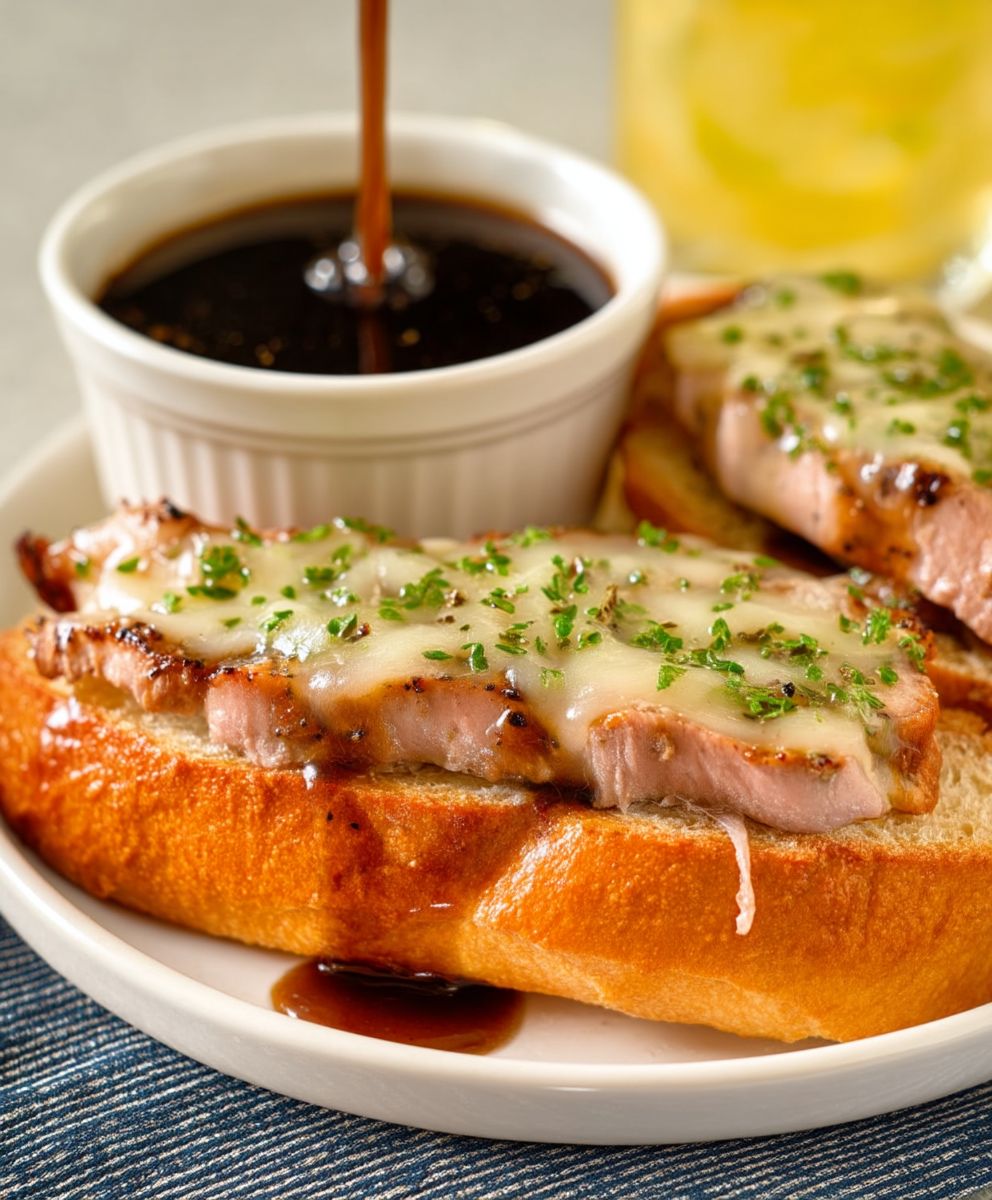
So there you have it! This Au Jus recipe isn’t just another gravy; it’s a flavor powerhouse that will elevate your roast beef, prime rib, or even a simple French dip sandwich to restaurant-quality deliciousness. I truly believe that once you taste the rich, savory depth of this homemade version, you’ll never reach for a store-bought packet again. The difference is simply astounding.
Why is this a must-try? Because it’s surprisingly easy to make, uses ingredients you likely already have in your pantry, and delivers an unparalleled depth of flavor that will have everyone asking for seconds. Forget bland, watery sauces this Au Jus is intensely beefy, perfectly seasoned, and utterly irresistible. It’s the secret weapon you need to transform ordinary meals into extraordinary culinary experiences.
But the best part? It’s incredibly versatile! While it’s traditionally served with roast beef, don’t limit yourself. Imagine drizzling it over a juicy burger, using it as a dipping sauce for crispy fries, or even incorporating it into a hearty beef stew. For a richer flavor, try adding a splash of red wine during the simmering process. If you prefer a slightly sweeter note, a touch of balsamic vinegar can work wonders. And for those who like a little heat, a pinch of red pepper flakes will add a delightful kick.
Here are a few serving suggestions to get you started:
Serving Suggestions:
* Classic French Dip: Thinly slice your favorite roast beef, pile it high on a crusty baguette, and serve with a generous bowl of warm Au Jus for dipping.
* Prime Rib Perfection: Elevate your prime rib dinner with this luscious sauce. It perfectly complements the richness of the meat.
* Gourmet Burger Upgrade: Drizzle a spoonful of Au Jus over your burger for an extra layer of savory flavor. Top with caramelized onions and Gruyere cheese for an unforgettable experience.
* Savory Gravy Alternative: Use it as a gravy substitute for mashed potatoes or Yorkshire pudding.
* Steak Enhancement: Pour over a grilled steak for a restaurant-worthy meal at home.
Don’t be afraid to experiment and find your own favorite ways to enjoy this incredible sauce. I’m confident that once you try it, you’ll discover countless ways to incorporate it into your cooking.
I’m so excited for you to try this recipe! It’s a game-changer, and I know you’ll love it as much as I do. So, gather your ingredients, follow the simple steps, and prepare to be amazed by the incredible flavor of homemade Au Jus.
And most importantly, I want to hear about your experience! Did you make any variations? What did you serve it with? What did your family and friends think? Please share your thoughts, photos, and tips in the comments below. I can’t wait to see what culinary creations you come up with! Happy cooking!
Au Jus: The Ultimate Guide to Making and Using It
Rich, flavorful au jus made with slow-simmered beef chuck roast, aromatic vegetables, red wine, and herbs. Perfect for French dip sandwiches or as a dipping sauce for roast beef.
Ingredients
- 4 pounds beef chuck roast, trimmed of excess fat
- 2 tablespoons olive oil
- 1 large yellow onion, chopped
- 2 carrots, peeled and chopped
- 2 celery stalks, chopped
- 4 cloves garlic, minced
- 2 tablespoons tomato paste
- 1 cup dry red wine (such as Cabernet Sauvignon or Merlot)
- 8 cups beef broth (low sodium preferred)
- 2 sprigs fresh rosemary
- 2 sprigs fresh thyme
- 1 bay leaf
- 1 tablespoon Worcestershire sauce
- 1 teaspoon black peppercorns, crushed
- Salt to taste
- Fresh parsley, chopped (for garnish, optional)
Instructions
- Prepare the Beef: Pat the beef chuck roast dry with paper towels. Season the roast generously with salt on all sides.
- Sear the Beef: Heat the olive oil in a large, heavy-bottomed pot or Dutch oven over medium-high heat. Sear the roast for about 5-7 minutes per side, until deeply browned. Remove the seared roast from the pot and set it aside.
- Sauté the Vegetables: Add the chopped onion, carrots, and celery to the pot. Cook over medium heat, stirring occasionally, until the vegetables are softened and slightly caramelized, about 8-10 minutes.
- Add Garlic and Tomato Paste: Add the minced garlic and tomato paste to the pot. Cook for another 1-2 minutes, stirring constantly, until the garlic is fragrant and the tomato paste has darkened slightly.
- Deglaze the Pot: Pour in the dry red wine and scrape the bottom of the pot with a wooden spoon to loosen any browned bits (fond). Let the wine simmer for 2-3 minutes, allowing it to reduce slightly.
- Combine Ingredients: Return the seared beef roast to the pot. Pour in the beef broth, making sure the roast is mostly submerged. Add the rosemary sprigs, thyme sprigs, bay leaf, Worcestershire sauce, and crushed black peppercorns.
- Simmer: Bring the mixture to a simmer over medium heat, then reduce the heat to low, cover the pot, and simmer for at least 3-4 hours, or even longer if you have the time. Check the roast periodically and add more beef broth if needed to keep it mostly submerged.
- Check for Tenderness: After 3-4 hours, check the beef for tenderness. It should be easily shredded with a fork. If it’s not quite tender enough, continue to simmer for another hour or two.
- Remove the Beef: Carefully remove the beef roast from the pot and set it aside to rest. Shred the beef with two forks.
- Strain the Au Jus: Strain the au jus through a fine-mesh sieve or cheesecloth-lined colander into a clean bowl or pot.
- Skim the Fat: If there is a lot of fat on the surface of the au jus, you can skim it off with a spoon or use a fat separator.
- Season to Taste: Taste the au jus and season with salt to taste.
- Serve: Serve the shredded beef with the warm au jus for dipping. Garnish with fresh parsley, if desired.
Notes
- For a thicker au jus, whisk together 1 tablespoon of cornstarch with 2 tablespoons of cold water to create a slurry. Whisk the slurry into the au jus and simmer for a few minutes, until it thickens to your desired consistency.
- Add 8 ounces of sliced mushrooms to the pot along with the onions, carrots, and celery for a richer, earthier flavor.
- Feel free to experiment with different herbs, such as oregano, marjoram, or bay leaves.
- This recipe can also be made in a slow cooker or pressure cooker.
- The au jus can be made ahead of time and stored in the refrigerator for up to 3 days or in the freezer for up to 3 months. Reheat gently before serving.



Leave a Comment