
French Beef Tenderloin, or Filet de Boeuf en Croûte, is a dish that whispers elegance and shouts flavor. Imagine sinking your teeth into a perfectly cooked, melt-in-your-mouth tenderloin, encased in a flaky, golden-brown pastry crust. It’s a culinary experience that’s both decadent and deeply satisfying, and I’m thrilled to share my version with you!
This impressive dish has roots in classic French cuisine, often reserved for special occasions and celebrations. The technique of wrapping meat in pastry dates back centuries, originally conceived as a way to preserve and cook meat slowly. Over time, it evolved into the sophisticated and refined dish we know today. The French have truly mastered the art of elevating simple ingredients into something extraordinary, and this French Beef Tenderloin is a testament to that skill.
But what makes this dish so universally loved? Beyond its stunning presentation, it’s the symphony of textures and flavors. The tender, juicy beef contrasts beautifully with the crisp, buttery pastry. The richness of the meat is often complemented by a flavorful duxelles (a mushroom paste) or other savory fillings, adding depth and complexity. While it may seem intimidating, with a little guidance, you can easily recreate this restaurant-worthy meal in your own kitchen. Plus, it’s a fantastic make-ahead option for entertaining, allowing you to spend more time with your guests and less time stressing in the kitchen. Let’s get started!

Ingredients:
- Beef Tenderloin: 2.5-3 lb center-cut beef tenderloin, trimmed of silver skin and excess fat
- Olive Oil: 2 tablespoons, extra virgin
- Salt: 2 teaspoons, kosher salt or sea salt
- Black Pepper: 1.5 teaspoons, freshly ground
- Fresh Thyme: 4 sprigs
- Fresh Rosemary: 2 sprigs
- Garlic: 4 cloves, minced
- Butter: 4 tablespoons, unsalted
Preparing the Beef Tenderloin:
Okay, let’s get started! The key to a perfectly cooked French Beef Tenderloin is proper preparation. We want to ensure even cooking and maximum flavor.
- Trimming the Tenderloin: This is arguably the most important step. Use a sharp knife to carefully remove the silver skin. This tough membrane won’t break down during cooking and can make the tenderloin chewy. Slide your knife under the silver skin and gently work it away from the meat. Also, trim off any large pieces of excess fat. You want a relatively uniform shape for even cooking.
- Patting Dry: Use paper towels to thoroughly pat the tenderloin dry. This is crucial for achieving a beautiful sear. Moisture is the enemy of browning!
- Seasoning Generously: In a small bowl, combine the salt and black pepper. Generously season the entire tenderloin with this mixture. Don’t be shy! The seasoning will create a delicious crust. Make sure to get the top, bottom, and sides.
- Preparing the Aromatics: Mince the garlic cloves. If you’re using fresh thyme and rosemary (and I highly recommend you do!), give them a quick rinse and pat them dry. We’ll use these to infuse the tenderloin with amazing flavor during cooking.
Searing the Beef Tenderloin:
Now for the fun part searing! This is where we develop that gorgeous crust and lock in all those delicious juices.
- Heating the Pan: Place a heavy-bottomed skillet (cast iron is ideal) over medium-high heat. Add the olive oil and let it heat up until it’s shimmering and almost smoking. This is crucial for a good sear. If the pan isn’t hot enough, the beef will steam instead of sear.
- Searing the Tenderloin: Carefully place the tenderloin in the hot skillet. Sear for 3-4 minutes per side, until a deep brown crust forms. Don’t move the tenderloin around while it’s searing; let it sit undisturbed to develop that beautiful color. Use tongs to flip the tenderloin and sear the other side.
- Adding Aromatics and Butter: Once both sides are seared, reduce the heat to medium. Add the minced garlic, thyme sprigs, rosemary sprigs, and butter to the skillet. As the butter melts, use a spoon to baste the tenderloin with the garlic-herb butter. This will infuse the meat with incredible flavor and keep it moist. Continue basting for 2-3 minutes.
Roasting the Beef Tenderloin:
The searing has given us a fantastic crust, but now we need to cook the tenderloin to the perfect internal temperature. Roasting in the oven allows for even cooking and prevents the outside from burning.
- Preheating the Oven: Preheat your oven to 400°F (200°C).
- Transferring to the Oven: Transfer the skillet (if it’s oven-safe) or the tenderloin to a baking sheet. If using a baking sheet, be sure to scrape all the garlic, herbs, and melted butter from the skillet onto the tenderloin.
- Roasting to Desired Doneness: Roast the tenderloin in the preheated oven until it reaches your desired internal temperature. Use a meat thermometer to monitor the temperature. Here’s a guide:
- Rare: 120-125°F (49-52°C)
- Medium-Rare: 130-135°F (54-57°C)
- Medium: 140-145°F (60-63°C)
- Medium-Well: 150-155°F (66-68°C)
- Well-Done: 160°F+ (71°C+) – Not recommended!
The roasting time will vary depending on the size of your tenderloin and your oven. A 2.5-3 lb tenderloin will typically take 15-25 minutes to reach medium-rare. Start checking the temperature after 15 minutes and continue roasting until it reaches your desired doneness.
Resting and Slicing:
This is a crucial step that many people skip, but it’s essential for a juicy and tender tenderloin. Resting allows the juices to redistribute throughout the meat, resulting in a more flavorful and tender final product.
- Resting the Tenderloin: Remove the tenderloin from the oven and transfer it to a cutting board. Tent it loosely with foil and let it rest for at least 10-15 minutes. Don’t skip this step!
- Slicing the Tenderloin: After resting, use a sharp carving knife to slice the tenderloin against the grain into 1/2-inch thick medallions. Slicing against the grain shortens the muscle fibers, making the meat more tender.
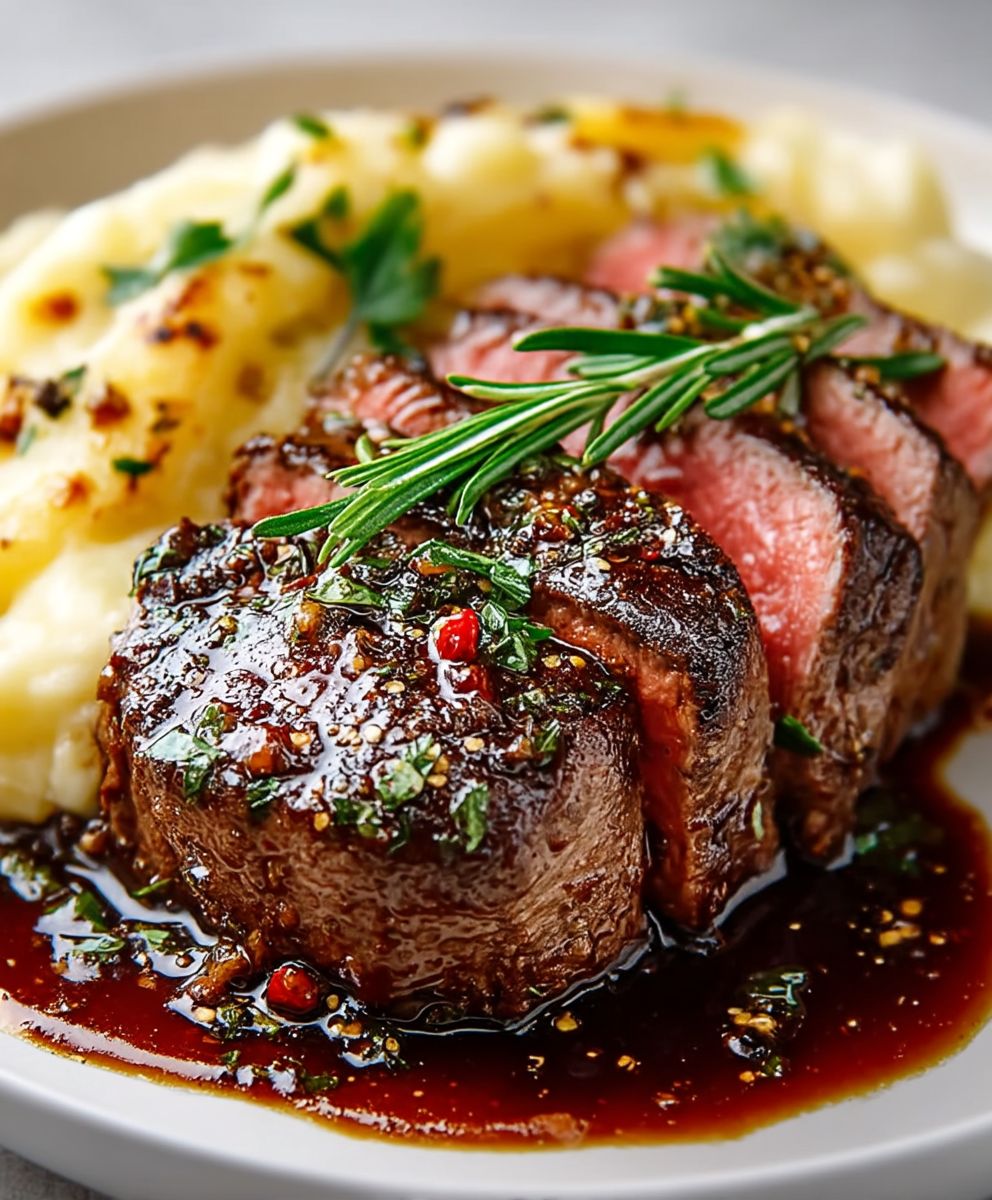
- Serving: Arrange the sliced tenderloin on a platter and drizzle with any pan juices. Garnish with fresh herbs, if desired. Serve immediately and enjoy!
Tips and Variations:
Here are a few extra tips and ideas to elevate your French Beef Tenderloin:
- Make a Pan Sauce: After removing the tenderloin from the skillet, deglaze the pan with red wine or beef broth. Scrape up any browned bits from the bottom of the pan and simmer until the sauce has thickened slightly. Strain the sauce and serve it over the sliced tenderloin.
- Add Mushrooms: Sauté sliced mushrooms in the skillet after searing the tenderloin. Add them to the pan sauce or serve them alongside the tenderloin.
- Use Different Herbs: Experiment with different herbs, such as oregano, sage, or marjoram.
- Marinate the Tenderloin: For even more flavor, marinate the tenderloin for a few hours or overnight before cooking. A simple marinade of olive oil, garlic, herbs, and balsamic vinegar works well.
- Serve with Sides: French Beef Tenderloin pairs well with a variety of sides, such as roasted vegetables, mashed potatoes, asparagus, or a simple salad.
Enjoy your delicious French Beef Tenderloin!
Conclusion:
This French Beef Tenderloin recipe isn’t just another meal; it’s an experience. From the rich, savory aroma that fills your kitchen to the melt-in-your-mouth tenderness of the beef, every element is designed to impress. It’s a dish that elevates any occasion, transforming a simple dinner into a memorable culinary event. I truly believe this recipe is a must-try for anyone who appreciates fine dining at home.
But the beauty of cooking lies in its adaptability! Feel free to experiment with different herbs in the marinade. Thyme and rosemary are classic choices, but a touch of tarragon can add a unique, anise-like note. For a richer sauce, consider adding a splash of dry red wine to the pan drippings before reducing. And if you’re feeling adventurous, a sprinkle of truffle oil just before serving will take this dish to a whole new level of decadence.
Serving suggestions? Oh, the possibilities are endless! For a truly classic French experience, pair your French Beef Tenderloin with creamy mashed potatoes and asparagus spears drizzled with browned butter. A simple green salad with a light vinaigrette provides a refreshing counterpoint to the richness of the beef. Alternatively, you could serve it alongside roasted root vegetables like carrots, parsnips, and sweet potatoes for a heartier meal. Don’t forget the bread! Crusty baguette slices are perfect for soaking up every last drop of that delicious sauce.
And for variations, consider turning this into a Beef Wellington-inspired dish. Wrap the seared tenderloin in puff pastry with a layer of mushroom duxelles and bake until golden brown. It’s a show-stopping presentation that’s sure to wow your guests. Or, for a lighter option, slice the cooked tenderloin thinly and serve it over a bed of arugula with shaved Parmesan cheese and a balsamic glaze.
I’ve poured my heart into perfecting this recipe, and I’m confident that you’ll love it as much as I do. The key is to not be intimidated by the seemingly complex steps. Take your time, follow the instructions carefully, and most importantly, enjoy the process! Cooking should be a joyful experience, and this recipe is designed to be both rewarding and delicious.
So, what are you waiting for? Gather your ingredients, put on your favorite music, and get ready to create a culinary masterpiece. I’m so excited for you to try this French Beef Tenderloin recipe and experience the magic for yourself.
Once you’ve had a chance to try it, I would absolutely love to hear about your experience! Did you make any modifications? What were your favorite serving suggestions? What did your family and friends think? Share your photos and stories in the comments below. Your feedback is invaluable, and it helps me continue to refine and improve my recipes. Happy cooking! I can’t wait to see what you create!
French Beef Tenderloin: A Guide to Cooking the Perfect Filet
Seared and roasted French beef tenderloin with aromatic herbs and garlic butter. Restaurant-quality, easily made at home.
Ingredients
- 2.5-3 lb center-cut beef tenderloin, trimmed of silver skin and excess fat
- 2 tablespoons extra virgin olive oil
- 2 teaspoons kosher salt or sea salt
- 1.5 teaspoons freshly ground black pepper
- 4 sprigs fresh thyme
- 2 sprigs fresh rosemary
- 4 cloves garlic, minced
- 4 tablespoons unsalted butter
Instructions
- Prepare the Tenderloin: Trim silver skin and excess fat from the tenderloin. Pat dry with paper towels. Combine salt and pepper and generously season the entire tenderloin. Mince garlic and rinse/dry fresh herbs.
- Sear the Tenderloin: Heat olive oil in a heavy-bottomed skillet (cast iron preferred) over medium-high heat until shimmering. Sear the tenderloin for 3-4 minutes per side, until a deep brown crust forms.
- Add Aromatics and Butter: Reduce heat to medium. Add minced garlic, thyme sprigs, rosemary sprigs, and butter to the skillet. As butter melts, baste the tenderloin with the garlic-herb butter for 2-3 minutes.
- Roast the Tenderloin: Preheat oven to 400°F (200°C). Transfer skillet (if oven-safe) or tenderloin to a baking sheet, scraping all garlic, herbs, and melted butter onto the tenderloin. Roast until desired internal temperature is reached (see guide below).
- Rest and Slice: Remove tenderloin from oven and transfer to a cutting board. Tent loosely with foil and let rest for 10-15 minutes. Slice against the grain into 1/2-inch thick medallions.
- Serve: Arrange sliced tenderloin on a platter and drizzle with pan juices. Garnish with fresh herbs, if desired. Serve immediately.
Notes
- Trimming the silver skin is crucial for a tender result.
- Patting the tenderloin dry is essential for a good sear.
- Use a meat thermometer to ensure accurate doneness.
- Resting the tenderloin is vital for juicy meat.
- For a pan sauce, deglaze the pan with red wine or beef broth after removing the tenderloin.
- Serve with roasted vegetables, mashed potatoes, or a simple salad.

Leave a Comment